
Living in Glasgow means dealing with a very specific kind of climate. We all know the drill: horizontal rain in November, biting winds coming off the Clyde in January, and that damp chill that seems to seep through the sandstone of even the sturdiest tenement. For years, many of us just accepted that our homes would be drafty and our heating systems would be temperamental. However, things have changed. More and more people are looking into a combi boiler installation glasgow because they have realised that the old way of heating a home—with massive copper cylinders in the cupboard and header tanks in the loft—just isn’t cutting it anymore.
A combination boiler, or ‘combi’ as everyone calls them, is a single unit that controls both your heating and your hot water. Unlike older systems, it doesn’t need a separate tank to store water. It heats water directly from the mains when you turn on a tap. In a city where space is often at a premium, especially if you are living in a flat in the West End or a traditional terrace in Shawlands, reclaiming that cupboard space can feel like a small miracle. But beyond the space-saving benefits, there is a lot more to consider when you are thinking about upgrading your home’s heart.
Understanding the unique benefits for Glasgow properties
Glasgow’s housing stock is incredibly diverse. You have the grand Victorian tenements, the post-war housing schemes, and the sleek new builds along the waterfront. Each of these presents its own set of challenges when it comes to plumbing. A modern combi boiler installation Glasgow is often the most versatile solution for these varied environments. Because the system is sealed and pressurised, it often provides much better water pressure for your shower than an old gravity-fed system ever could.
If you have ever tried to have a shower while someone else is washing the dishes in a tenement flat, you know the struggle. A well-fitted combi boiler helps mitigate these pressure drops. Furthermore, the efficiency of modern units is staggering compared to the boilers installed twenty or thirty years ago. Most modern A-rated combi boilers operate at over 90% efficiency. If you are still running an old G-rated boiler, you are essentially throwing money away every time the burner kicks in.
Key reasons to consider an upgrade this year
- Lower Energy Bills: With energy prices remaining a significant concern for every household, the efficiency gains of a new unit can lead to noticeable savings on your monthly outgoings.
- Instant Hot Water: You no longer have to wait for an hour for a cylinder to heat up just to have a bath. The water is heated on demand, whenever you need it.
- Compact Design: Most combi boilers are small enough to fit inside a standard kitchen cupboard, freeing up valuable square footage in your utility room or hallway.
- Reduced Maintenance: Older systems with multiple tanks and complex pipework have more points of failure. A streamlined combi system is often easier and cheaper to maintain.
What actually happens during a combi boiler installation?
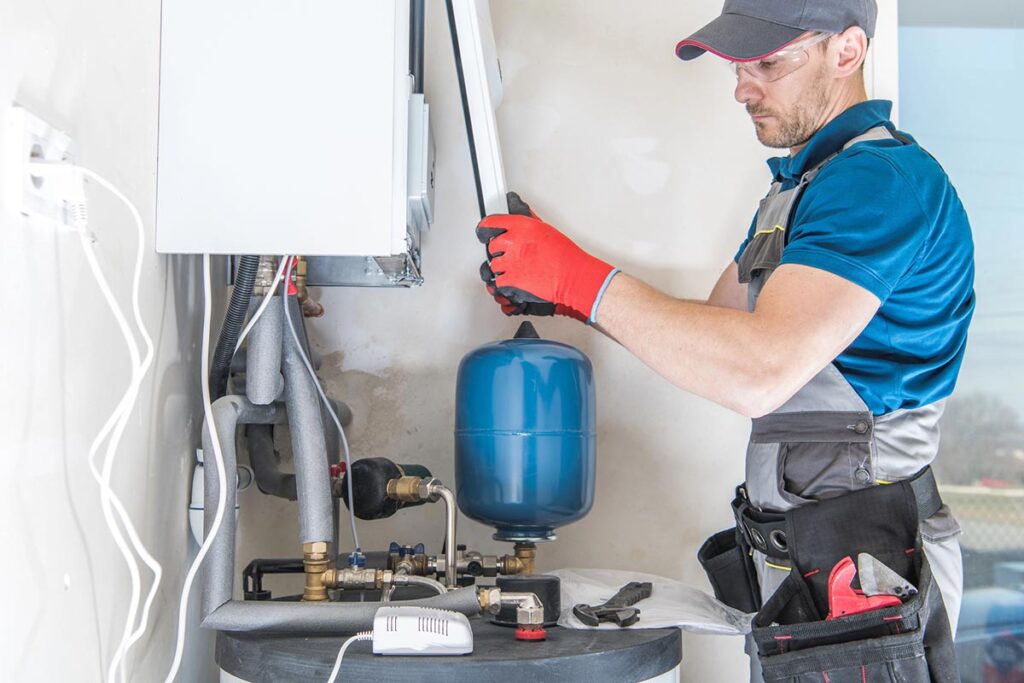
Many people put off getting a new boiler because they imagine their floorboards being ripped up for weeks and a layer of dust covering everything they own. In reality, a professional combi boiler installation Glasgow is a much more refined process than it used to be. Usually, if you are replacing an existing combi boiler, the job can be completed in a single day. If you are converting from an old system with tanks, it might take two days, but the disruption is still kept to a minimum.
The process usually begins with a site survey where an engineer looks at your current setup, checks the gas pressure, and works out where the flue needs to go. On the day of the installation, the old unit is drained and removed. The engineers will then flush your radiators—a process called a power flush—to ensure there is no sludge or debris left in the system that could damage your shiny new boiler. Once the new unit is mounted and connected, they will test everything thoroughly to ensure it meets current safety regulations and provide you with a Gas Safety certificate.
Choosing the right boiler for your specific needs
Not all combi boilers are created equal. When you are looking at your options, you need to consider the ‘output’ of the boiler, which is measured in kilowatts (kW). If you have a small one-bedroom flat, a 24kW to 28kW boiler is usually plenty. However, if you live in a large four-bedroom house with multiple bathrooms, you might need something closer to 40kW to ensure everyone can get hot water at the same time.
- Flow Rate: This determines how much hot water the boiler can deliver per minute. A higher flow rate is essential for homes with powerful showers.
- Warranty Length: Some manufacturers offer 5-year warranties, while others offer up to 10 or 12 years. Always look for a longer warranty for peace of mind.
- Smart Compatibility: Most modern boilers work perfectly with smart thermostats like Nest or Tado, allowing you to control your heating from your phone while you’re on the bus home from Buchanan Street.
The importance of local expertise in Glasgow
It might be tempting to go with a massive national firm, but there is a lot to be said for choosing a local specialist for your combi boiler installation Glasgow. Local engineers understand the specific quirks of the city’s plumbing. They know about the water pressure issues in certain postcodes and the specific requirements for installing flues in listed tenement buildings. They are also much more likely to provide a personalised service and be available quickly if you need a follow-up visit.
When selecting an installer, you should always check that they are Gas Safe registered. This is not just a recommendation; it is a legal requirement. Working with gas is dangerous, and you should never let an uncertified ‘handyman’ touch your boiler. Ask to see their ID card, and don’t be afraid to check their registration number on the official Gas Safe website. A reputable local firm will be proud of their credentials and happy to show you reviews from other Glasgow residents who have used their services.
Preparing your home for the winter months
We have all had that moment of dread in October when you turn the thermostat up for the first time and… nothing happens. The radiators stay cold, and the boiler starts making a sound like a bag of spanners. Getting ahead of the curve by organising your installation in the spring or summer can save a lot of stress. Not only are engineers usually less busy, but you also won’t have to huddle around a portable electric heater while you wait for a part to arrive.
Modern boilers also come with much better diagnostic tools. Instead of just stopping, they often display an error code that tells the engineer exactly what is wrong, making repairs much faster. When you combine this with a regular annual service, a new combi boiler can easily last you fifteen years or more, providing reliable warmth through many a Glasgow winter. It is an investment in your comfort, your property value, and your sanity.
Things to check before the engineer arrives
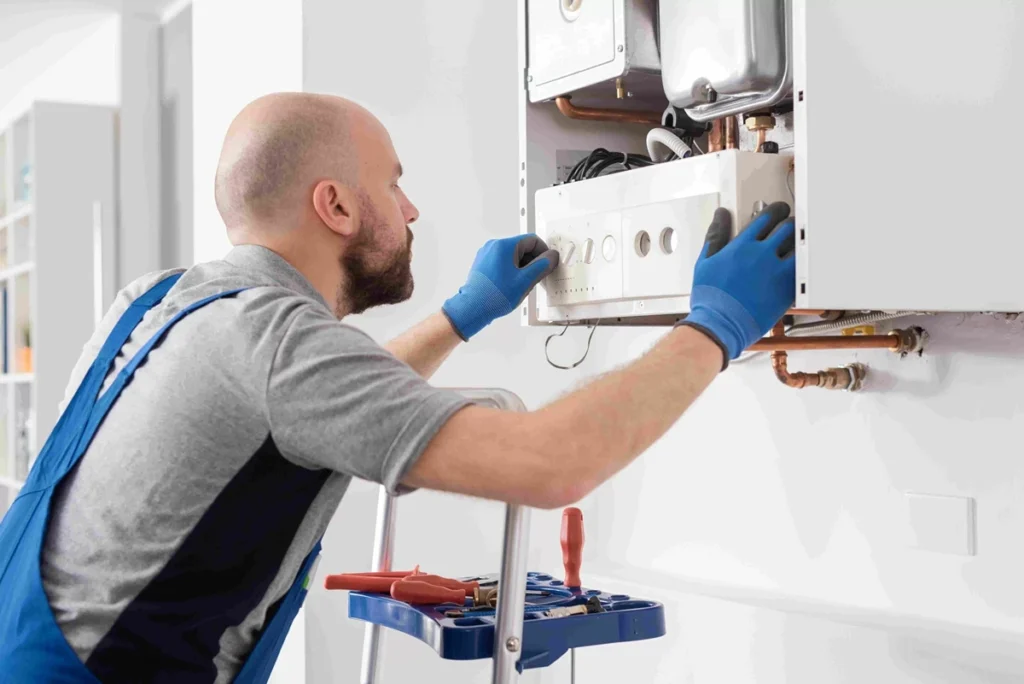
- Clear the Area: Make sure the engineer has easy access to the boiler location, the gas meter, and the water stopcock.
- Locate the Flue: If your boiler vents through a wall or the roof, ensure there are no obstructions outside, like overhanging branches or scaffolding.
- Radiator Health: Take a quick look at your radiators. If they are rusted or leaking, it might be worth replacing them at the same time as the boiler to get the most out of your new system.
- Parking: In many parts of Glasgow, parking can be a nightmare. If you live in a permit-only zone, try to arrange a visitor pass for the engineer’s van.
Ultimately, upgrading your heating system is about making your home a place where you can actually relax, regardless of what the weather is doing outside. A high-quality installation ensures that your system is safe, legal, and running at peak performance. By choosing a local expert who understands the nuances of the city’s architecture, you ensure that your home remains a warm sanctuary for years to come.

A writer and architectural analyst with a strong focus on sustainable building practices, passive design strategies, and the future of urban living. Elliot often explores how materials and technology influence modern architecture.